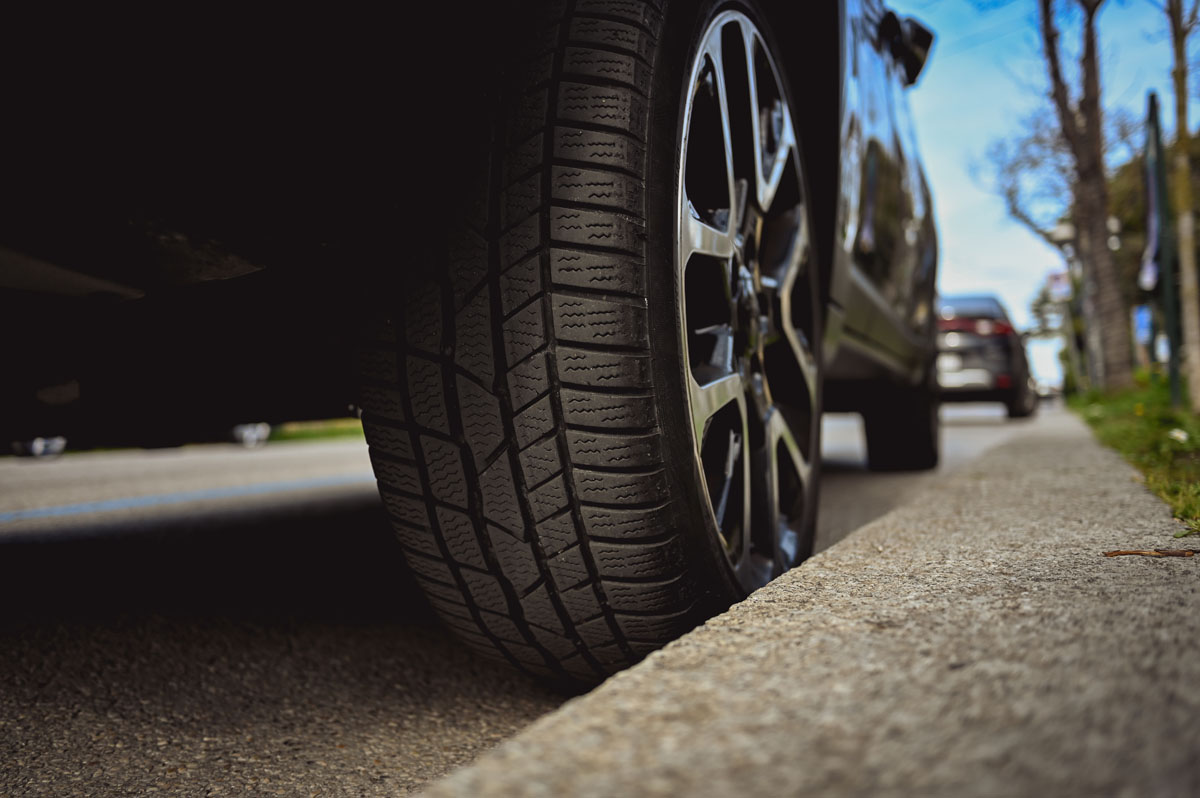
Your tires are the only part of your vehicle that makes contact with the road—so keeping them in good shape is essential for your safety and driving performance. As your tires wear down, their tread depth decreases, which can affect traction, handling, and braking—especially in wet or slick conditions. Knowing how to check tread depth at home can help you spot worn tires before they become a serious hazard.
Why Tire Tread Depth Matters
Tire tread depth is more than just a number—it’s a key factor in how well your tires grip the road. Proper tread depth helps your tires channel water away from the surface, maintain traction, and prevent hydroplaning. When tread gets too low, your tires can’t disperse water effectively, leading to reduced braking power and increased risk of skidding, especially in rain or snow.
Driving on bald or worn tires doesn’t just compromise safety—it can also shorten the lifespan of your suspension and alignment system due to uneven wear and reduced stability.
How to Measure Tire Tread Depth at Home
You don’t need special tools or a mechanic to check your tread depth. Here are a few simple ways to do it yourself:
1. The Penny Test
Grab a penny and insert it into the tread groove with Lincoln’s head facing down. If you can see the top of his head completely, your tread is below 2/32 of an inch—it’s time for new tires. If part of Lincoln’s head is still covered, your tires have enough tread for now.
2. Use a Tread Depth Gauge
A tread depth gauge is an inexpensive and accurate tool you can find at most auto parts stores. Place the gauge into the tread groove at several points around the tire. If the readings are below 2/32 of an inch, it’s time for replacement.
3. Check the Wear Bars
Many tires have built-in tread wear indicators—small raised bars that run between the tread patterns. If these bars are flush with the tread, your tires have reached their limit.
When to Replace Your Tires
While the legal minimum tread depth is 2/32 of an inch, you might consider replacing your tires sooner—especially if you often drive in rain, snow, or icy conditions.
Other signs it’s time for new tires include:
- Uneven tread wear
- Cracks, cuts, or bulges on the sidewalls
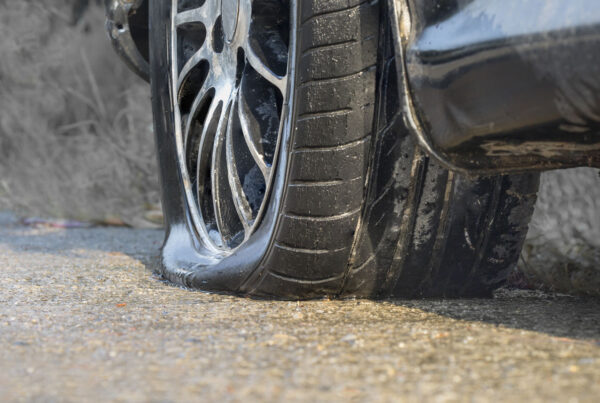
- Frequent punctures or slow leaks
- Poor traction or handling
- Tires older than six years (regardless of tread depth)
Keep Your Tires Safe with Northridge Automotive
Proper tire tread means better traction, safer braking, and a smoother ride. At Northridge Automotive, our team can inspect your tires, measure tread depth, and recommend the right replacements for your vehicle and driving style.
Maintaining healthy tires is one of the simplest ways to stay safe on the road and protect your investment.