Buying a used car can be a great way to save money—if you know what to look for. Modern tools like CARFAX reports and onboard diagnostics have made it easier to learn about a vehicle’s history, but there’s still no substitute for your own careful inspection.
Before you take a potential new ride to a mechanic, there are several simple checks you can do yourself to spot warning signs and gauge how well the car has been cared for.
1. Inspect the Exterior
Start by checking for signs of body damage or previous repairs. Stand a few feet back, close one eye, and look down the side of the vehicle. If you see ripples, dents, or uneven reflections in the metal, the car may have been in an accident.
Also, check for:
- Mismatched paint on different panels
- Uneven gaps between doors, hood, and trunk
- Rust spots around wheel wells or under the doors
A clean, even finish often indicates careful ownership, while inconsistencies could mean poor repair work or hidden damage.
2. Check the Interior Condition
The interior tells you a lot about how a car was treated. Look at the carpeting, seats, and pedals—heavy wear or stains can suggest high mileage or neglect. A musty smell may also indicate past water damage or leaks.
3. Look Under the Hood
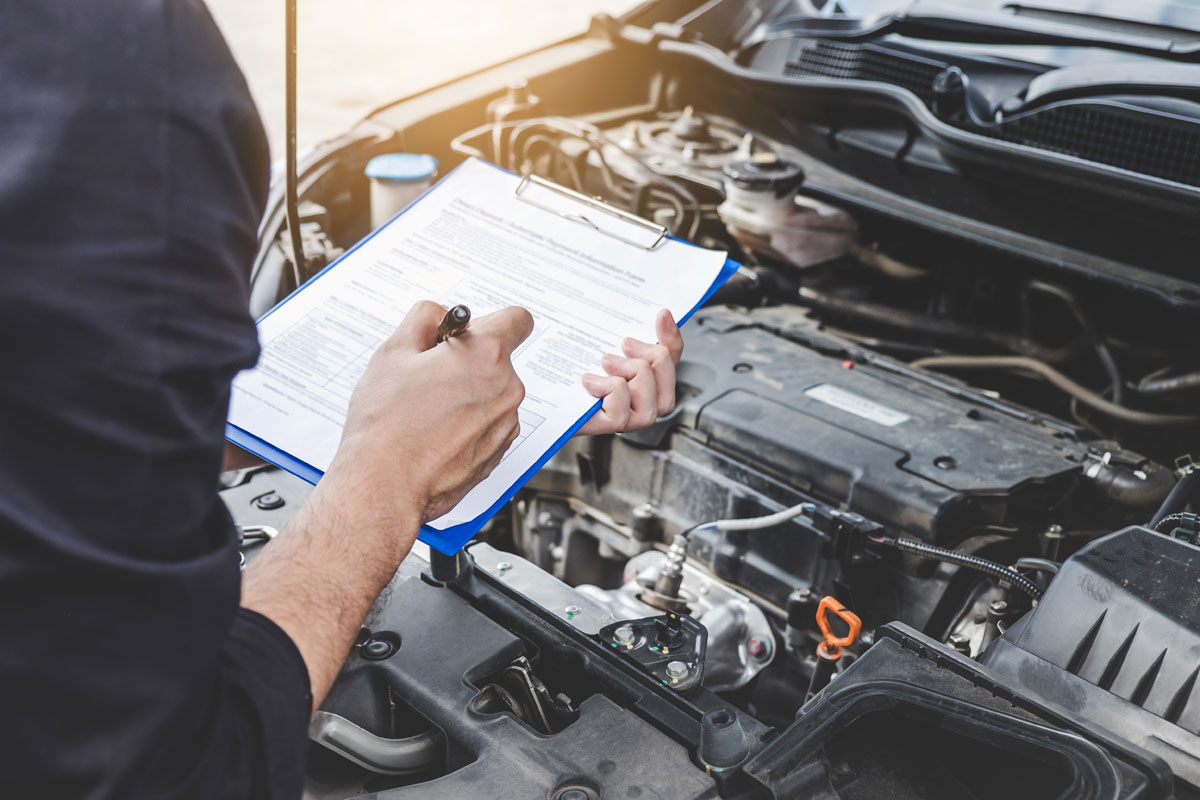
Pop the hood and do a quick visual inspection before starting the engine. Keep an eye out for:
- Leaks or residue around hoses and seals
- Frayed belts or cracked rubber components
- Rust or corrosion on battery terminals
After starting the engine, listen carefully and take note of any odd noises or smells—like burning oil, antifreeze, or transmission fluid. These can point to leaks or bigger problems down the road.
4. Check the Transmission Fluid
With the car running, parked on level ground, pull out the transmission dipstick. The fluid should be light pink or magenta and smell slightly sweet. Dark or burnt-smelling fluid is a red flag—it may mean the transmission has overheated or hasn’t been maintained properly.
5. Take It for a Test Drive
A test drive is one of the best ways to spot hidden issues. Here’s what to pay attention to:
- Handling: Does the car pull to one side or wander on the highway? That may indicate alignment or suspension problems.
- Braking: If the car pulls, vibrates, or makes grinding noises while braking, it may need brake or rotor work.
- Ride quality: Listen for rattles, thumps, or clunks over bumps.
- Acceleration: The car should accelerate smoothly without hesitation or rough shifting.
6. Get a Professional Inspection
Even if everything looks good, it’s always smart to have a trusted mechanic perform a pre-purchase inspection. They can check the vehicle more thoroughly, run diagnostic tests, and give you peace of mind before you commit.
Protect Your Investment with Northridge Automotive
A careful inspection can save you thousands in unexpected repairs and help you find a reliable used vehicle you’ll love driving. At Northridge Automotive, our technicians offer thorough pre-purchase inspections and honest advice so you can buy with confidence.