Your tires do more than just keep your car rolling—they’re one of the most important safety features on your vehicle. But did you know that tire age can be just as important as tread depth when it comes to your safety?
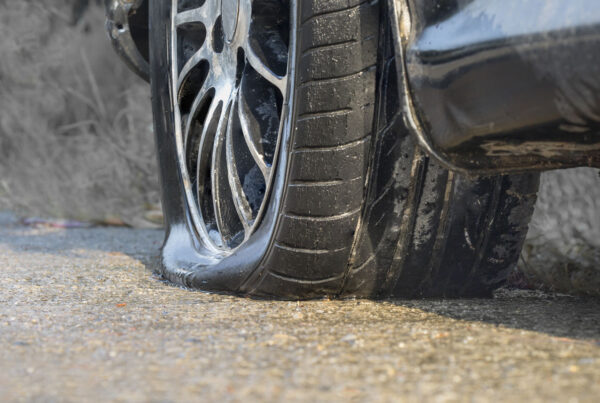
Even if your tires look fine from the outside, the rubber naturally breaks down over time. After about six years, the internal structure begins to weaken due to exposure to heat, sunlight, and oxidation, which can lead to dry rot and an increased risk of blowouts. Driving on old tires can put you and your passengers in danger, even if the tread still looks deep enough.
Why Tire Age Is Important
As tires age, the bond between the rubber and internal steel belts starts to deteriorate. This process happens gradually from the inside out—so you may not see visible cracks right away. Once the integrity of the tire is compromised, it’s more likely to fail suddenly while driving.
That’s why tire manufacturers and mechanics recommend professional inspections for any tire over six years old. With regular tire maintenance—like rotations, balancing, and alignments—you can extend the life of your tires and keep them performing safely.
How to Check Your Tire’s Age
The easiest way to tell how old your tires are is by checking the DOT (Department of Transportation) code printed on the tire’s sidewall. This four-digit number shows when the tire was made.
Here’s how to read it:
- The first two digits indicate the week of the year it was manufactured.
- The last two digits indicate the year of manufacture.
Example:
If your tire’s DOT code reads 4718, it was made during the 47th week of 2018.
If the code has only three digits, that means the tire was made before the year 2000—and it should be replaced immediately, no matter how good it looks.
Tires stored properly can be sold as “new” for up to five years, but once they reach 10 years from their manufacture date, replacement is strongly recommended even if the tread appears fine.
When to Replace Old Tires
Even with perfect storage conditions, tires don’t last forever. Replace your tires if:
- They’re 6+ years old and have never been inspected by a professional.
- You see cracks or bulges.
- The tread is worn unevenly or below 2/32”.
- They’re 10 years old, regardless of tread or mileage.
Aging tires can lose flexibility, making them more prone to blowouts, poor traction, and longer braking distances—especially in wet conditions.
Keep Your Tires Safe with Northridge Automotive
Knowing your tire’s age and keeping up with regular maintenance can help you stay safe, avoid breakdowns, and save money in the long run. At Northridge Automotive, our team can quickly inspect your tires, read the DOT code, and let you know whether it’s time for replacement.